Food security policies in African countries tend to focus on the need to increase production and cut costly imports.
That is perfectly understandable in a continent that is expected to face a severe food production deficit in the coming years amid rapid population growth.
Annual food imports are estimated to cost between US$70- 100 billion.
But projections of food production deficits and import costs alone do not give the full picture of the continent’s food security woes.
Much more attention needs to be paid to emerging challenges such as food loss and waste as well.
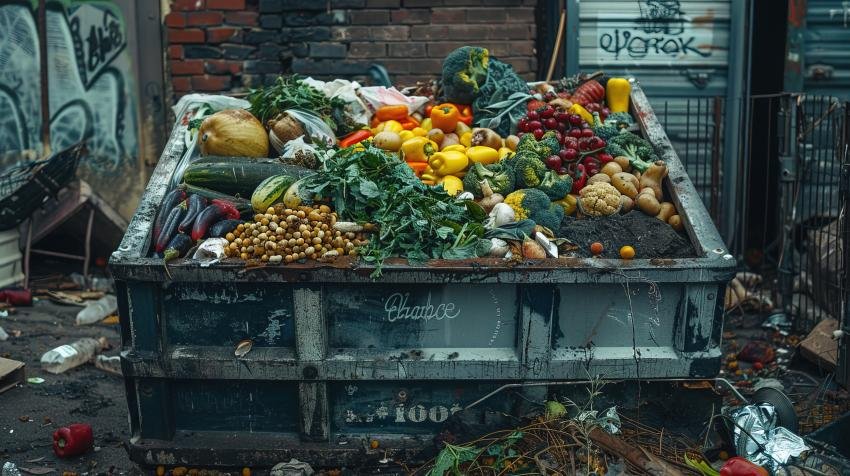
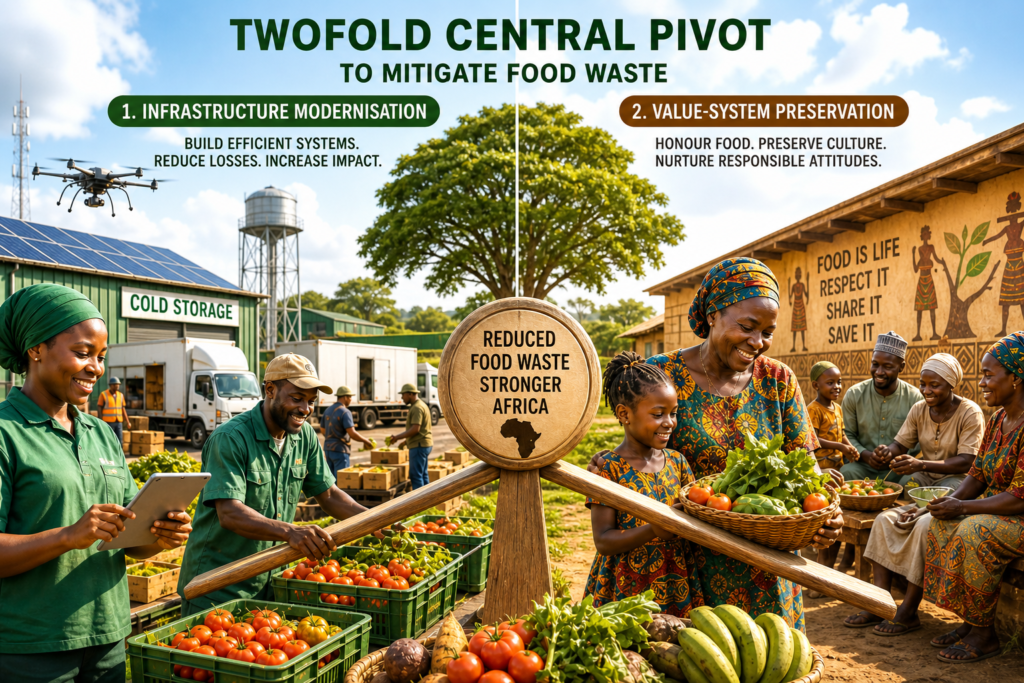
A substantial amount of produce is lost before it reaches consumers due to the widespread lack of appropriate post- harvest handling and cold storage.
Data from the World Resources Institute show indicates that about 40 percent of the food produced in sub-Saharan Africa is lost or wasted before it reaches the consumer.
This is unacceptable for a continent where millions of people still suffer crisis levels of hunger.
Last year, African Union (AU) member states seemed to finally reckon with reality of this emerging threat to the continent’s food security, committing to halve post-harvest food losses by 2035 under the Kampala Declaration.
Indeed, a number of African countries already had policies addressing the problem of post-harvest losses in some form.
Whether the ambitious targets set under the Kampala Declaration or domestic policies are met will, however, depend on how well they are translated into action in the transport systems, markets and households where the food is lost or wasted.
As part of our commitment to keep the conversation on Africa’s food systems challenges going, we have dedicated our special report in this edition of PanAfrican Agriculture to the emerging threat of food loss and waste and the innovations being developed to solve it.
In Nigeria, researchers from the International Food Policy Research Institute (IFPRI), World Vegetable Center and the University of Jos are training and refining AI algorithms to help reduce loss and waste along the country’s tomato value chain.
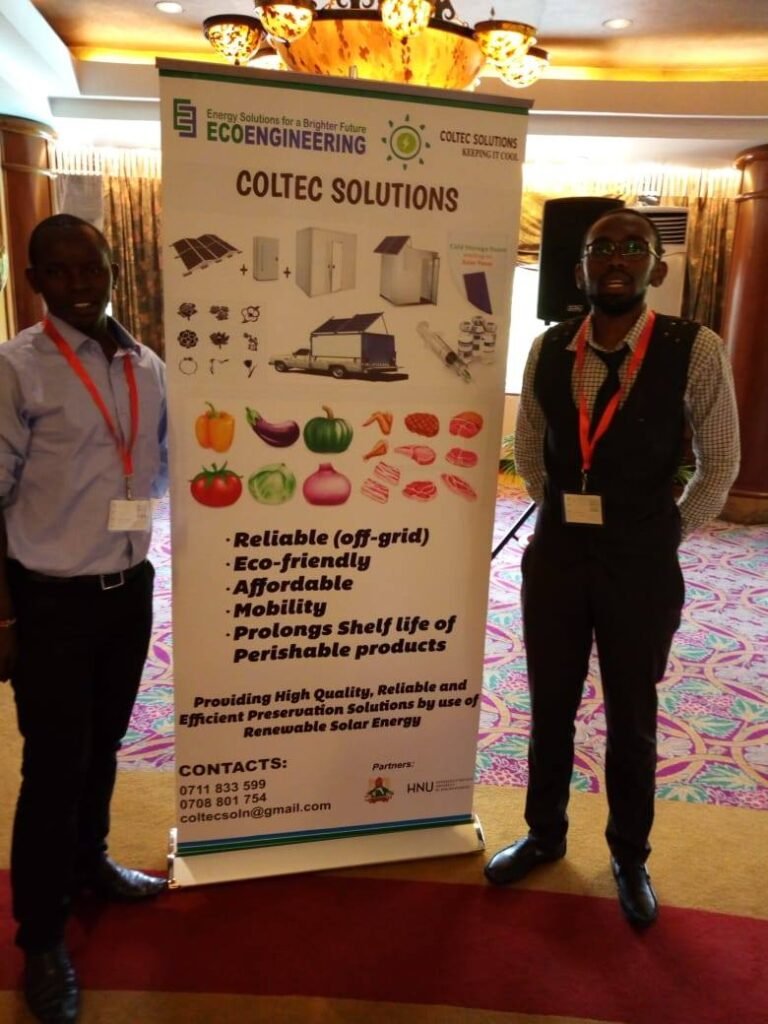
And in Kenya, a start-up founded by two young mechanical engineering graduates is providing affordable solar-powered cold room services to farmers and traders.
Read these, plus other interesting stories on agricultural issues from around the continent.
Dr Kawira Mutegi