By Zablon Oyugi, May 13, 2026 – Drip irrigation can reduce the carbon footprint of coffee cultivation by nearly 60 per cent while significantly increasing yields, according to a new study released by Orbia Netafim.
The Life Cycle Assessment (LCA) study, conducted in Vietnam’s Dak Lak province, found that precision drip irrigation in Robusta coffee farming delivers major environmental and productivity benefits compared with the traditional overhead sprinkler irrigation systems widely used in coffee-growing regions.
The research comes at a time when the global coffee industry is grappling with the effects of climate change, water scarcity and rising production costs.
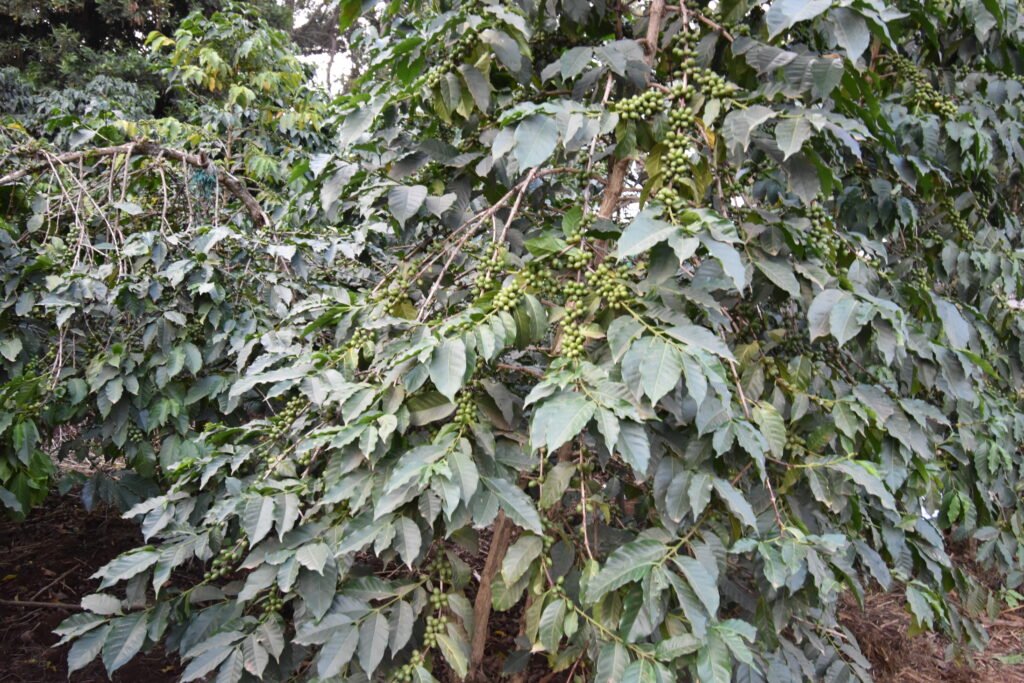
Coffee, one of the world’s most traded agricultural commodities, is cultivated on more than 10 million hectares globally and supports millions of smallholder farmers in countries such as Brazil, Vietnam, Colombia and Ethiopia.
According to the study, drip irrigation increased coffee yields per hectare by more than 50 percent, enabling farmers to produce significantly more coffee beans using fewer resources.
Researchers also found that the technology reduced water use by approximately 56 percent and cut chemical inputs per ton of coffee beans by 46 percent.
The study further showed that precision irrigation lowered the Global Warming Potential (GWP) and overall carbon footprint of Robusta coffee plantations by nearly 60 per cent. R
esearchers attributed the reduction largely to lower energy consumption and more efficient use of fertilizers and crop-protection products.
The certified research was carried out over a three-year period between 2022 and 2024 and compared drip irrigation systems with conventional overhead sprinkler irrigation methods commonly used in Robusta coffee cultivation.
Dak Lak province, located in Vietnam’s Central Highlands, is among the world’s leading Robusta coffee-producing regions. The area has increasingly faced climate-related challenges, including irregular rainfall patterns and growing pressure on water resources, making efficient irrigation technologies more important for sustaining production.
The findings underscore growing efforts within the coffee industry to adopt climate-smart agricultural practices as demand for sustainably produced coffee continues to rise among consumers and multinational buyers.
“Coffee growers today face mounting pressure to increase productivity while managing water scarcity, climate volatility, and rising input costs,” said Ram Lisaey, Head of Global Agronomy at Orbia Netafim.
“Through decades of collaboration with farmers and leading coffee producers, Orbia Netafim has developed proven solutions that deliver more yield with fewer resources, reducing carbon footprints, cutting water use, and strengthening long-term farm resilience,” he added.
The company said the results were driven by its Coffee Protocol, a package of agronomic best practices for irrigation and fertigation tailored to different coffee varieties, terrains and climate zones. The protocol was developed through decades of field research and digital monitoring across coffee-growing regions in Latin America, Asia and Africa.
The global coffee sector is increasingly under pressure to improve sustainability standards amid concerns over deforestation, greenhouse gas emissions and resource-intensive farming practices.
At the same time, record Robusta coffee prices have encouraged expansion into new growing regions where irrigation is necessary to maintain viable production.
Large coffee companies are also seeking to strengthen supply chain resilience and meet Environmental, Social and Governance (ESG) commitments by supporting farmers to adopt more sustainable cultivation methods.
Orbia Netafim said it has worked with coffee producers and farmers across Latin America, Southeast Asia and Africa to refine irrigation systems that align with environmental goals and evolving consumer expectations.
The latest assessment adds to the company’s growing portfolio of crop-specific environmental studies. Previous research by the company showed similar environmental gains from drip irrigation in corn and potato production, suggesting that precision irrigation technologies could play a broader role in reducing agriculture’s environmental footprint.
Industry experts say scalable technologies that optimize water, energy and agricultural inputs will become increasingly important as climate variability continues to threaten major coffee-growing regions worldwide.
With global demand for sustainably sourced coffee continuing to rise, the study’s findings are expected to strengthen calls for wider adoption of precision irrigation systems as farmers and agribusinesses seek to balance productivity, profitability and environmental sustainability.