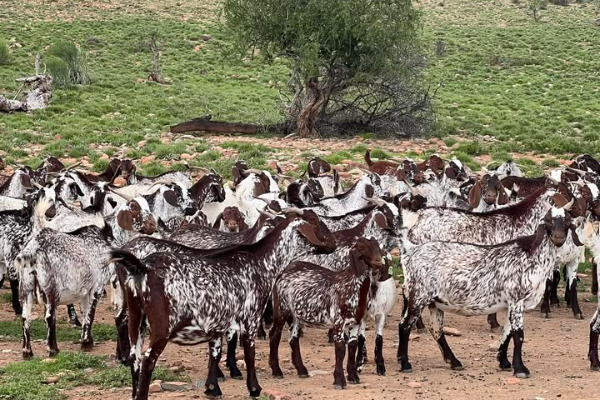
By Zablon Oyugi, September 24, 2026, The International Livestock Research Institute (ILRI) has partnered with livestock off-takers under the Kenya Pastoralist Market Development (KPMD) network to strengthen markets, improve animal feeding and build climate-resilient livestock systems for small ruminant farmers in Kenya.
The partnership was discussed during a meeting hosted by ILRI at its Nairobi campus on September 9, 2026, bringing together representatives of the KPMD network, off-taker companies and ILRI research and technical teams.
The meeting, themed “Unlocking Value and Bringing Supply-Ready Herds,” brought together off-takers operating in 10 counties. The participants included institutions, traders, businesses, processors and other buyers who purchase livestock from farmers and move them to the next stage of the value chain.
Discussions focused on strengthening collaboration between ILRI and KPMD off-takers to improve the small ruminant value chain from Kenya’s arid and semi-arid areas to domestic and export markets.
Participants said stronger markets must be supported by productive and healthy animals capable of meeting buyer requirements. They examined the technical foundations of market-ready herds, including breeding and genetics, forage and nutrition, animal health and climate resilience.
Off-takers identified several practical areas where greater support is needed, including access to livestock breeding programmes at scale, reliable and climate-smart forage varieties, improved herd health services to reduce losses and better use of data to guide decisions throughout the value chain.
Anu Lawale, ILRI’s Programs Director for Livestock Genetics, Nutrition and Feed Resources, said dependable markets can influence farmers’ willingness to invest in better livestock management.
“If farmers are certain that there is a market for quality animals, then they will make investments in feeding and proper care as an economic venture,” Lawale said.
The meeting also showcased research and innovations designed to help livestock producers adapt to changing climatic conditions while increasing the economic value of their animals.
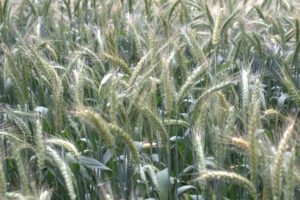
Participants explored forage diversity and management, livestock aggregation, nutrition, animal health and climate-risk reduction as key measures for ensuring that farmers can supply animals that meet market requirements.
Brian Okello, an off-taker representative from ABF United Company Limited, said climate-smart feeding would be critical for maintaining livestock productivity during drought and other climate stresses.
“Drought resistant and tolerant forage varieties and better feeding practice are crucial. Improved forage does more than helping animals survive the dry season, it sustains their productivity and health, protects them through drought, and increases their sale value,” Okello said.
Professor Ruth Kiraka, a representative of KPMD, said the partnership could help bring science, farmers and markets closer together.
“Such an opportunity lies in the formation of a value chain where science, markets, and farmers march together. Where innovation can reach farmers, farmers produce for markets, and markets provide the incentive for further investments,” Kiraka said.
The participants agreed that the meeting should mark the beginning of a structured and ongoing collaboration rather than a one-off engagement.
ILRI, KPMD and the participating off-takers agreed to develop a collaboration framework covering genetics, forage and nutrition, animal health and climate resilience.
The partnership is expected to help translate research into practical solutions for farmers while strengthening the supply of market-ready livestock and improving connections between pastoral producers and higher-value markets.