By Zablon Oyugi, September 14, 2026, Every 1°C increase in average global temperatures could reduce yields of maize, rice, soy and wheat by up to 6 per cent, putting further pressure on the crops that provide about 60 per cent of the world’s calories, according to a joint report by the Food and Agriculture Organization of the United Nations (FAO) and the World Meteorological Organization (WMO).
The report indicates that rising temperatures and increasingly frequent heat extremes are also affecting livestock, fisheries, forests and agricultural workers.
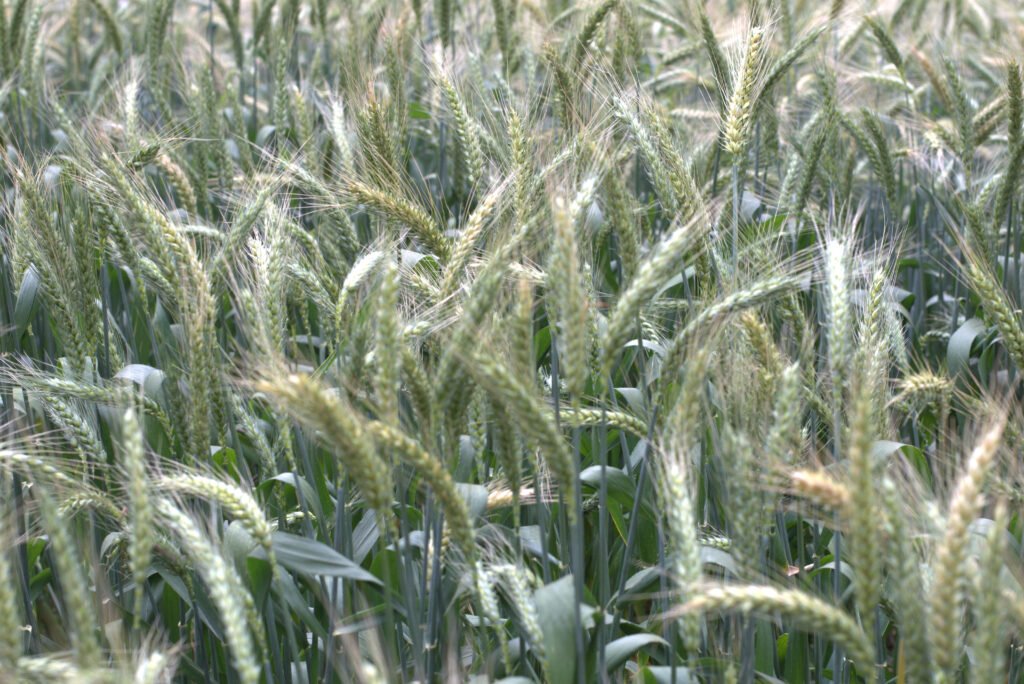
It says there is robust evidence linking higher temperatures with declining productivity of the four major crops. Maize, rice, soy and wheat together form a critical foundation of global food supplies, making their sensitivity to heat a major concern for food security.
The report’s assessment of recent global studies estimates that a 1°C increase in warming could result in yield losses ranging from 4 to 10 per cent for maize, 1.1 to 5.6 per cent for rice, 2.9 to 5.4 per cent for soy and 3.8 to 10 per cent for wheat.
The impacts vary according to crop, location and growing conditions, with warmer regions generally facing greater risks.
The findings highlight the narrowing “thermal safety margin” for crops as global temperatures rise. Plants depend on suitable temperature ranges for photosynthesis, reproduction and other biological processes, but excessive heat can disrupt these functions and ultimately reduce yields.
The report also warns that extreme heat does not act in isolation. High temperatures can worsen drought and water stress, increase evaporation and contribute to conditions favourable to pests and diseases. These combined hazards can amplify losses beyond those caused by temperature increases alone.
The consequences are already visible in agricultural systems. FAO and WMO report that the frequency, intensity and duration of extreme heat events have increased sharply over the past half century.
one example cited by FAO, prolonged unusually high temperatures in Kyrgyzstan’s Fergana mountain range in spring 2025 contributed to thermal stress in fruit and wheat crops, reduced irrigation capacity and a 25 per cent decline in cereal harvests.
The threat extends beyond crops. The FAO-WMO report says extreme heat currently threatens the livelihoods and health of more than one billion people, while agricultural workers face increasing exposure to dangerous temperatures. T
he wider effects can also disrupt livestock production, fisheries and forests, creating additional risks for food systems and rural economies.
FAO and WMO are calling for greater investment in adaptation, including heat-tolerant crop varieties, appropriate crop choices, changes in planting dates, improved farm management and irrigation.
Early-warning systems and climate services can also help farmers anticipate heatwaves and take protective measures before severe damage occurs.
However, the agencies caution that adaptation alone will not be enough. With global temperatures approaching the 1.5°C threshold under the Paris Agreement, the report stresses that reducing greenhouse-gas emissions remains essential to limiting the long-term risks facing agriculture and global food security.