
25th Edition
Editor’s NotePrioritise food loss, waste solutions in Africa’s food security agendaFood security policies in African countries tend to focus on the need to increase…
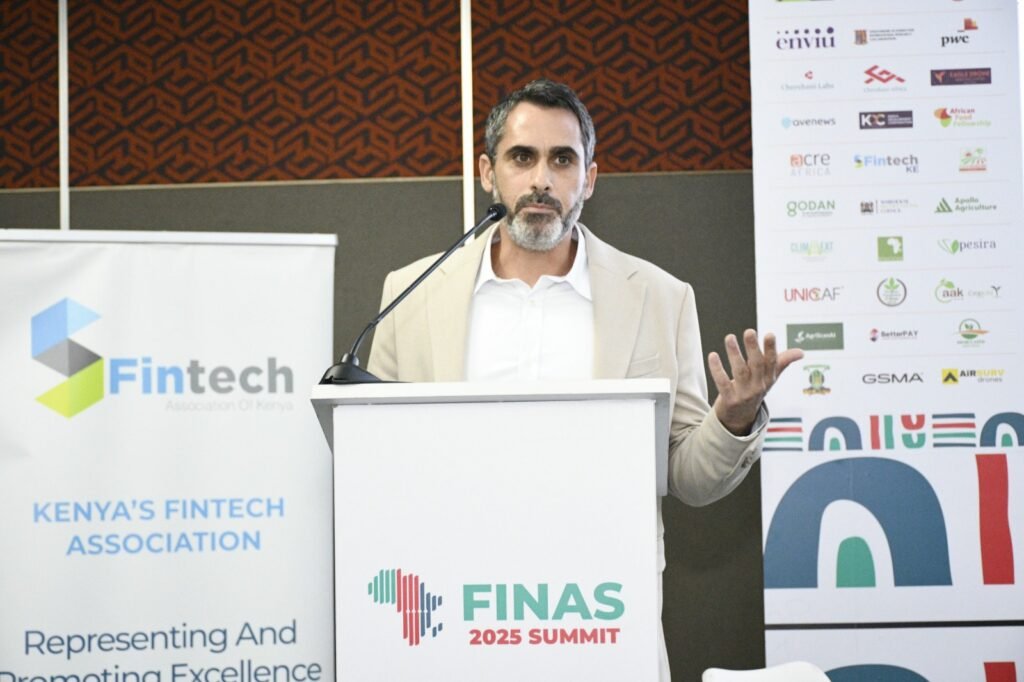
In June, policymakers, chief executives of financial institutions, non-profit organisations’ representatives, researchers and other key stakeholders in Africa’s agriculture will converge in Nairobi for the third Financing Agri-food Systems Sustainably (FINAS) Summit.
The annual summit, first held in the Kenyan capital in 2024, has evolved into a ‘Davos of Africa’, providing a platform for public and private sector leaders to explore solutions to one of the most difficult challenges to the continent’s food and nutrition security ambitions.
Preparations for this year’s summit have proceeded against the backdrop of unfolding global economic shocks related to the US and Israel’s war with Iran, which broke out on February 28.
The closure of the Strait of Hormuz, a key waterway where close to a third of the world’s oil shipments and 20 percent of liquefied natural gas (LNG) passes, has disrupted fertiliser and food supply chains and sparked fears of skyrocketing food prices for a continent that imports most of its food.
No doubt, the Middle East crisis has given the June conference organisers food for thought, with its obvious implications for foreign investment flows into Africa.
Across Africa, agriculture faces a financing gap of about $65 billion annually, yet only 4–6 percent of formal lending goes into the sector.
This measly formal credit flow into agriculture doesn’t reflect the sector’s contribution to the continent’s economy — estimated at 30-32 percent of the gross domestic product (GDP) and 60-65 percent of the jobs.
A major reason for commercial banks shunning lending to agriculture is the widespread perception that smallholder farmers, who constitute 80 percent of all farms in sub-Sahara Africa and produce up to 90 percent of the food in some countries, are high-risk borrowers.
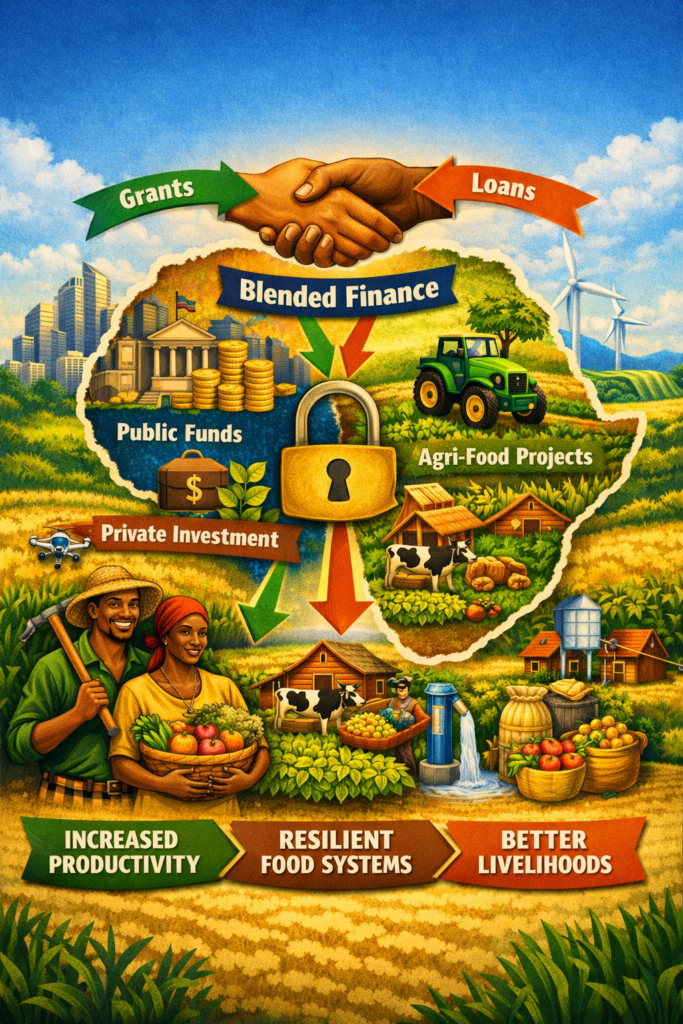
The issue dominated discussions at the past two FINAS summits, with participants highlighting various innovating financing solutions developed to de-risk agriculture.
But the evolving nature of the challenges calls for a reimagining of the financial architecture for food systems to make the continent more resilient to shocks arising from global supply chain disruptions and climate change, for example.
The good news is that many innovations are already being explored or adopted to tackle these challenges across the continent.
The challenge is to keep the innovation momentum and scale to benefit the millions of smallholders that need them.
Dr Kawira Mutegi