
By Zablon Oyugi
In the fast growing residential Joska Town, about 14km from Nairobi Central Business District, Andrew Kavila is quietly changing the perception of rabbit farming in Kenya. The young farmer and founder of Palmer Rabbitry is tapping into a niche that combines his love for animals with a growing appetite for healthy, high-quality protein in the capital city.
“I have always loved animals,” Kavila says. “Rabbits are friendly, multiply quickly, and within three to four months, they are ready for market. Initially, I thought of it as a hobby, but I soon realised that it could be a sustainable business.”
Since its inception in April 2022, Palmer Rabbitry has grown steadily. From a modest number of cages and rabbits, Kavila now manages a diverse stock and a network that serves both local households and high-end clients in Nairobi.
His farm is not just about rearing rabbits; it also provides training for aspiring farmers to grow production, builds modern rabbit cages, and sells accessories and organic products like rabbit manure and urine.
Hybrid breeds for meat and business
Palmer Rabbitry houses a wide array of breeds, including New Zealand White, California White, Chinchilla, Flemish Giant, Dutch, Palomino, Checkered Giant, Silver Merten, Silver Fox, American Sable, Blue Vienna, and Havana.
Not all rabbits, however, are raised for meat. “The breeds best suited for meat production are New Zealand White, Chinchilla, California White, Palomino, and Havana,” Kavila says. The selection of breeds is deliberate. These rabbits grow quickly, are resilient, and produce substantial meat, making them ideal for commercial farming.
A mature rabbit typically reaches a live weight of 4.5 kilogrammes between eight and 12 months. After slaughter, the carcass weighs around 2.0 kilogrammes, providing fresh, lean, and nutritious meat for consumers. Nairobi’s high-end market driving demand Rabbit meat, often referred to as “white meat,” is gaining popularity in Nairobi, especially among highend hotels, restaurants, and health conscious households.
Nutritionists assert that the meat contains about 20 percent protein, only four percent fat, and is free from cholesterol. A kilogramme of rabbit meat provides around 350 calories and is rich in essential vitamins like B12 and niacin, along with minerals such as iron, selenium, and phosphorus.
“We have learnt that this meat is ideal for people managing high blood pressure or undergoing treatment for conditions like cancer,” Kavila says. “Its taste is delicious, and it provides quality protein without the health risks associated with red meat.”
Kenya’s rabbit meat market is still developing. A significant portion of the country’s supply comes from imports, primarily from South Africa, Tanzania, and Uganda.
Locally produced rabbit meat, like that from Palmer Rabbitry, is therefore filling a critical gap, providing fresh, quality meat to households, hotels, and restaurants, while also reducing reliance on imported stock. A 2012 University of Nairobi study by Benson Mwangangi Mutisya found that local households, hotels, and restaurants were the primary consumers of rabbit products, with about five percent being exported.
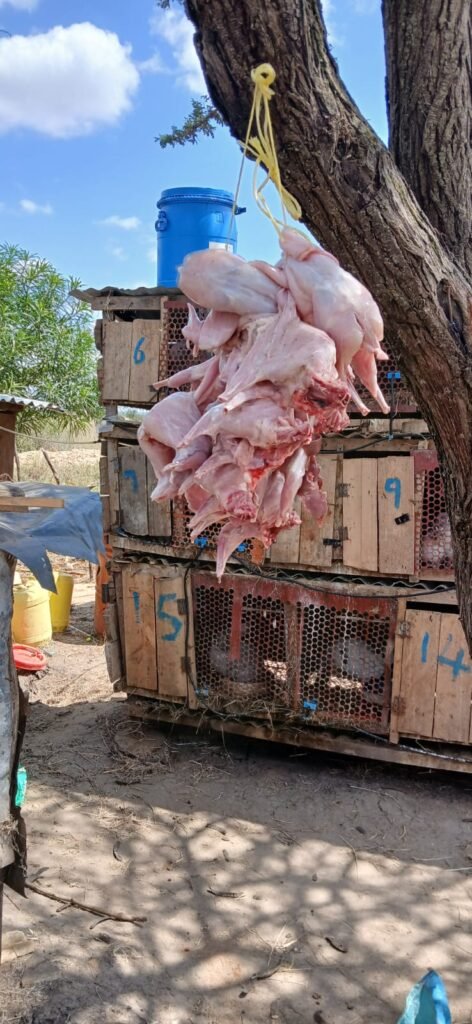
From farm to table Kavila’s operations are a blend of traditional farming and modern food safety practices. Palmer Rabbitry slaughters at least 15 rabbits weekly, with meat sold at Ksh800 per kilogramme for retail and Ksh750 per kilogramme to wholesalers. Deliveries are made immediately after slaughter, ensuring freshness and quality.
Kavila says a veterinarian inspects every rabbit before it is processed, guaranteeing hygiene and compliance with food safety standards. The farm employs two full-time farmhands who manage feeding, cleaning, and overall rabbit care.
“Maintaining hygiene is crucial,” Kavila notes. “Our customers trust us to provide meat that is safe and fresh, and we take that responsibility seriously.”
Beyond meat, the farm has diversified into producing modern self-cleaning hutches and selling cage construction materials and accessories. Rabbit manure and urine are also sold as organic fertilisers, adding alternative revenue streams and promoting sustainability.
Training programmes for upcoming farmers further reinforce Palmer Rabbitry’s commitment to developing the rabbit farming business in Kenya.
Economic prospects
Financially, rabbit farming is proving profitable. Kavila reports earning a monthly profit of around Ksh25,000 with opportunities to scale as demand grows.
The high-end market, in particular, presents untapped potential. Hotels in Nairobi are increasingly incorporating rabbit meat into menus, responding to a clientele that is health-conscious and willing to pay for quality protein. The business model is simple but effective: hybrid breeds for meat, hygienic slaughter practices, immediate delivery, and diversified farm operations. This combination ensures sustainability while meeting the growing demand in urban centres.
Despite its potential, rabbit farming in Kenya faces challenges. Consumer awareness remains limited, and traditional dietary preferences often favour beef, chicken, or fish. Scaling operations requires investments in infrastructure, training, and marketing to reach wider markets. Yet, the opportunities are equally significant. Urbanisation, rising incomes, and increasing health consciousness are expanding demand for lean, protein-rich meats like rabbit. High-end hotels and restaurants in Nairobi, in particular, are driving this trend, while domestic production reduces dependency on imports.
“The future looks promising,” Kavila asserts. “With proper market strategies and continued education on the benefits of rabbit meat, more Kenyans will embrace it as a staple protein source.”
Nutrition meets business
Rabbit meat’s nutritional profile positions it as a premium offering. Rich in protein, low in fat, and packed with essential vitamins and minerals, it appeals to a growing segment of consumers who prioritise health. Just one kilogramme contains enough nutrients to support energy production, muscle growth, and overall wellbeing, making it ideal for families, patients, and fitness enthusiasts alike. This nutritional advantage, coupled with a tender, delicate taste, is attracting chefs and restaurateurs who see rabbit meat as a versatile ingredient for gourmet dishes.
The trend is also evident in social media marketing, with farms like Palmer Rabbitry leveraging online platforms to reach consumers, share recipes, and highlight the benefits of rabbit meat. “The goal is to make rabbit meat as common on Kenyan tables as chicken or beef,” Kavila says.
“We are showing that a small farm in Machakos can meet high-end market demands in Nairobi and beyond.” As Kenya embraces healthier eating habits and high-protein diets, rabbit meat stands out as a nutritious, and sustainable choice. For young entrepreneurs like Kavila, it represents more than a business; it is a gateway to innovation, income, and a healthier nation.