
By Murimi Gitari
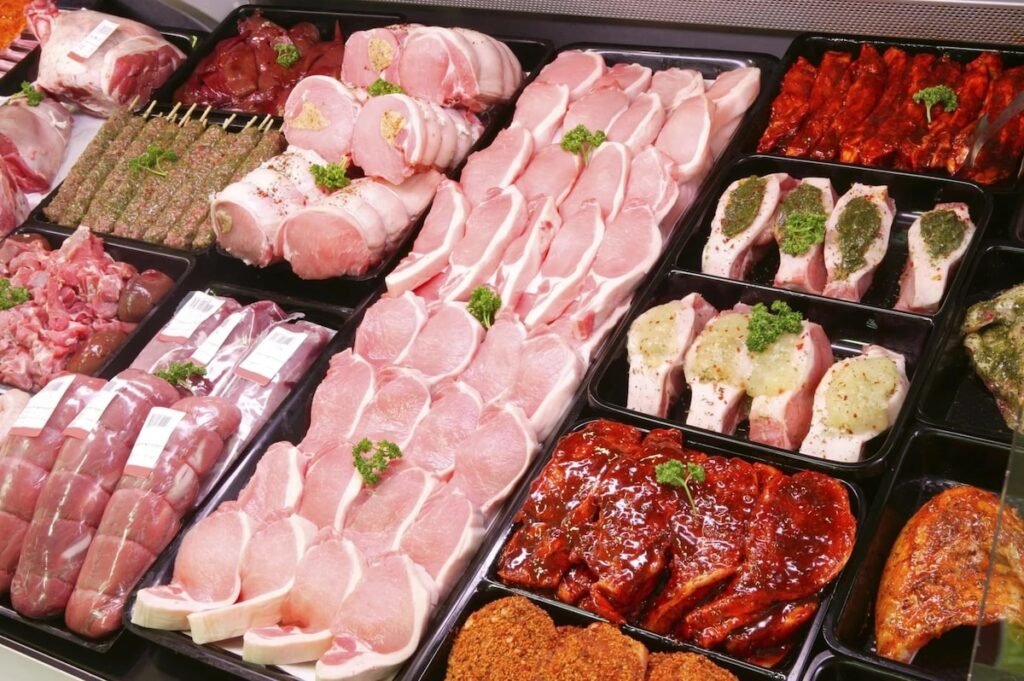
For many urban dwellers in Kenya, supermarkets are increasingly becoming the preferred source of meat. Kelvin Kariuki, a 31-year-old businessman from Nairobi’s Eastlands area, embodies this shift. He opts for supermarkets over traditional butcheries, citing superior hygiene, food safety, and packaging.
“The packaging is not just neat but reassuring,” he says. Convenience is another driving factor. Kelvin buys in bulk, stores meat in his freezer, and avoids daily trips to the butchery.
Supermarkets also offer him boneless cuts and a wide variety of beef and chicken parts that are not always available at street butcheries. For him, the supermarket experience is about more than just meat — it’s about efficiency, flexibility, and peace of mind. His preference highlights a broader trend: middle-class consumers are increasingly valuing hygiene, packaging, and variety.
Supermarkets, with their structured systems and modern retail practices, are carving out a niche by meeting these evolving expectations.
Yet, despite the rise of supermarkets, street butcheries remain deeply embedded in Kenya’s food culture. For many, they offer unmatched freshness. Meat is cut on demand, allowing customers to inspect and interact directly with the butcher. This transparency builds trust and reinforces the personal relationships that define the butcher–customer bond. Prices are generally lower than in supermarkets, making butcheries attractive to households that prioritise affordability.
For some, visiting the butcher is more than a transaction — it’s part of daily routine and community life. The butcher’s stall is a neighborhood fixture, a place where freshness and familiarity meet.
Monica Njoki Thuo, a regular at her local butchery, values this connection. She finds the cost lower and the meat fresher than in supermarkets. Honesty and hygiene are her key criteria, and she appreciates being able to call ahead to place an order.
“Meat from butcheries tastes better,” she says. For Monica, the butcher’s stall is also a social hub where she learns about local happenings, and she delights in the small gestures like receiving coriander and chili with her purchase that strengthen customer loyalty. Between the polished supermarkets and the intimate street butcheries lies City Market, Nairobi’s iconic meat marketplace.
For Amos Nguthu, a 24-year-old corporate worker living in Kitengela, City Market is the ideal balance of affordability and tradition. “At the City Market I usually get more value for my money compared to supermarkets, and I can even negotiate sometimes,” he explains. Amos is deliberate in choosing his butcher. He checks price, freshness, and hygiene, and once he finds a stall that consistently delivers quality, he sticks with it.
While he acknowledges that supermarkets have stricter hygiene and safety standards, he believes City Market offers fresher meat that hasn’t stayed long in refrigeration. The ability to select cuts directly adds to the appeal.
For Amos, City Market is also about culture and community. He grew up watching his parents shop there, and the marketplace feels familiar and personal. Over the years, he has noticed improvements such as more organised stalls, better cleanliness, and greater variety. These changes reassure him that City Market is evolving while retaining its traditional charm.
Together, Kelvin, Monica, and Amos illustrate the diverse consumer preferences shaping Kenya’s meat value chain. Supermarkets appeal to those seeking hygiene, packaging, and convenience. Street butcheries thrive on affordability, freshness, and community ties. City Market offers a middle ground for the value for money, negotiation, and cultural continuity.
This dynamic reflects a broader shift in Kenya’s food systems. As urban lifestyles evolve, consumers are weighing not just the product but the entire experience: safety, trust, taste, price, and social connection. The meat value chain is no longer defined by a single dominant source but by a mosaic of outlets, each catering to different needs.
Whether its Kelvin’s freezer stocked from a supermarket, Amos’s trusted stall at City Market, or Monica’s neighborhood butcher who adds a sprig of coriander, the meat value chain tells a story of adaptation, resilience, and cultural continuity.