
By Lominda Afedraru
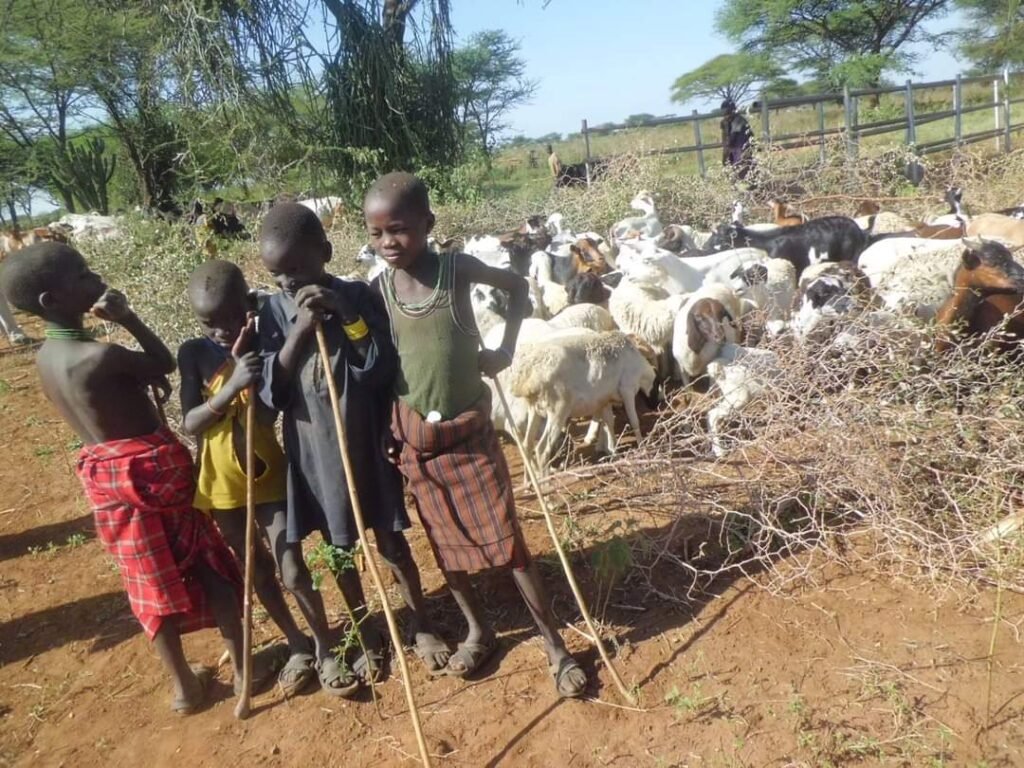
Pastoralism is appreciated in Uganda for its efficient use of semi-arid regions to convert unusable natural resources into food, despite unpredictable climates and livestock disease epidemics.
Some the most celebrated large conservation areas in the country exist today partly because of pastoralists’ capacity to traverse and defend grazing areas, which help reduce encroachment.
Experts says pastoral communities can contribute even more to Uganda’s economy, household livelihoods and ecology by integrating indigenous knowledge with modern innovations.
Brian Agaba, the coordinator of Coalition of Pastoralist Civil Society Organisations (COPACSO), advises that to keep their herds healthy, pastoralists should adopt sustainable rangeland and water management, proactive animal healthcare and proper animal husbandry techniques.
Sustainable rangeland and water management
COPACSO has been sensitising pastoralists to embrace adaptive and rotational grazing. This is where livestock are moved to different pasture sections in a planned manner to prevent overgrazing and allow forage to regenerate and disrupts parasite life cycles.
Mobility helps access sparse and seasonal resources in different areas as a key strategy for adapting to variable environmental conditions and ensuring sufficient quality pasture and water throughout the year, especially during droughts.
For better water management pastoralists are advised to construct water holding structures such as sand dams to store rainwater in order to provide reliable water sources and utilising water-efficient technologies and protecting natural water points from contamination.
Rangeland restoration practices such as farmer-managed natural regeneration and integrating tree planting to help restore degraded land, provide shade and shelter for animals and improve soil health are also encouraged.
Mr Agaba’s team works hand in hand with agricultural scientists who have bred drought-tolerant Napier grass species, which is distributed to pastoral communities across the country for planting. This helps to supplement pasture during dry season.
The Food and Agriculture Organisation (FAO) has also constructed small dams and water tanks especially in Karamoja to help store water for animals.
Animal Healthcare
Other best practices pastoralists are expected to adopt are in the area of health care and they include; disease prevention and control.
Pastoralists have been sensitised to regularly attend to scheduled vaccinations to prevent common and fatal diseases like Rift Valley Fever and East Coast Fever.
Local community animal health workers are involved to improve access to health services and early disease detection.
It is important to employ an integrated pest management approach to control internal and external parasites such as ticks and worms. This can involve using botanical tree leaves, root dewormers, proper pasture management to disrupt parasite life cycles and physical controls.
Regularly monitoring animals for signs of illness such as reduced appetite, abnormal behaviour, discharge allows for rapid diagnosis and treatment, minimising disease spread and impact.
Establishing emergency reserves of vaccines and medicines can help respond quickly to disease outbreaks or other catastrophic events.
Ensuring animals have access to adequate, quality feed and clean water is fundamental to good health and resilience.
Optimising herd composition with a mix of ground grazers like cattle and sheep and browsers such as camels and goats maximizes the use of available forage.
Providing appropriate shelter from extreme weather, ensuring adequate space for movement and using gentle handling techniques minimize stress and injury.
Focusing on local animal breeds that are well-adapted to the local environment and disease pressures is key. Crossbreeding can introduce desirable traits without losing the resilience of indigenous stock.
Maintaining a clean environment, including shelters, feeding and watering areas helps prevent the build-up and spread of harmful bacteria and parasites. Proper waste management, such as composting manure is also important.
The green transition
Kalibala Mwebe from African Resource Organisation told a recent pastoral symposium that it is important for pastoralists to maintain traditional practices to eliminate climate change effects.
The symposium in Moroto brought together pastoralists from Kenya, Ethiopia and Uganda to learn best practices and share knowledge on coping with climate change effects.
The participants noted that pastoralism can be used as climate change gain because when pastoralists are on the move with their animals in search of pasture and water, their animals leave behind the dung which acts as manure to restore the grassland.
This also helps to improve the soil fertility for the agricultural communities to improve on crop production.
Pastoral communities have committees such as tree planting committees with the aim of planting trees to restore land.
They have committees to protect nature, endangered species, land and swamps to protect water sources for their animals. These impact positively on climate change.
Climate change
Apart from the good practices there are negative impacts of climate change on pastoralism and this include decreased forage and water due to high temperatures and less rainfall that lead to shortage of food and water for the animals
Others are increased natural hazards such as more frequent and severe droughts, storms and desertification which directly impact pastoral lands.
Competition for resources as environmental pressures mount and conflict over dwindling rangelands and water sources are on increase.
The solution can be in moving livestock from one place to another, livestock diversification by adopting more resilient breeds and improved resource management including creating institutional policy support for the pastoralists.