
By Zablon Oyugi, January 21, 2026, Kenya has launched a new multi-institutional research initiative aimed at understanding how unmanaged dumpsite waste is contributing to antimicrobial resistance (AMR) and heavy metal contamination in agricultural environments and livestock, with potential risks to human and animal health.
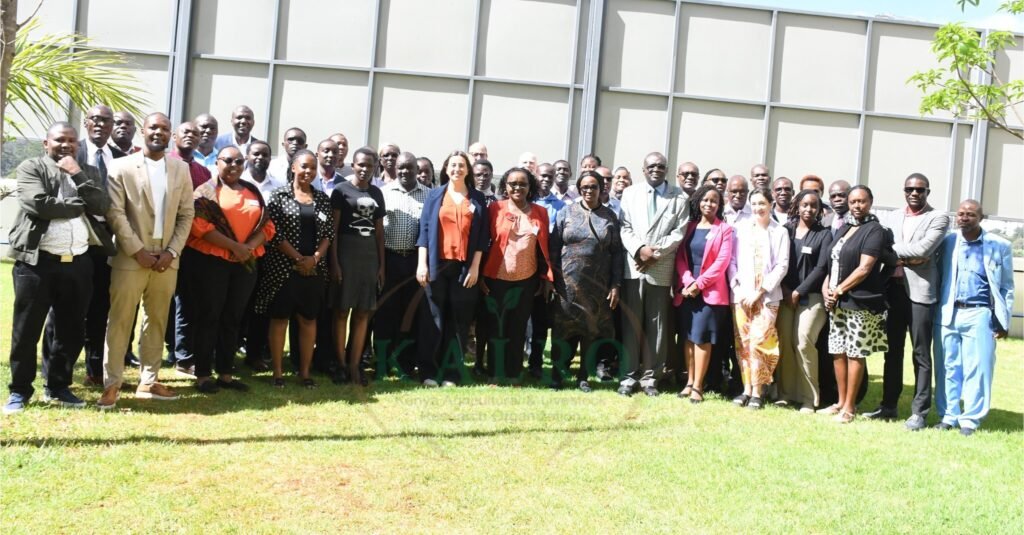
The initiative, known as the Heavy Metal and Antimicrobial Resistance Exposure Through Waste in Kenya (AMELIORATE) project, was officially launched yesterday in Nairobi during a stakeholder engagement meeting convened by the Kenya Agricultural and Livestock Research Organisation (KALRO) in collaboration with the Technical University of Denmark (DTU), the Kenya Medical Research Institute (KEMRI), and the University of Nairobi (UoN).
AMELIORATE is anchored in the One Health approach, which recognises the interconnectedness of human, animal, and environmental health.
It seeks to investigate exposure pathways of heavy metals and antimicrobial-resistant organisms in and around Kenyan dumpsites, particularly those located near agricultural zones and livestock production systems.
Rapid urbanisation, population growth, and inadequate waste management systems have led to the expansion of open dumpsites across the country. These sites often receive a mixture of domestic, industrial, medical, and agricultural waste, creating conditions that facilitate the spread of antimicrobial resistance and the accumulation of toxic heavy metals in soil, water, crops, and animals.
Through integrated research, policy support, and community engagement, the AMELIORATE project aims to generate evidence that can be used to strengthen Kenya’s waste management policies while embedding AMR and heavy metals monitoring and control into existing regulatory frameworks.
KALRO’s role in the project is spearheaded by its Livestock Directorate, under the leadership of Deputy Director General – Livestock, Dr. Evans Ilatsia, working alongside Dr. Moses Olum, Deputy Institute Director at the KALRO – Veterinary Science Research Institute. The Directorate is providing research leadership on animal health and food safety, ensuring that agricultural and livestock dimensions are fully integrated into the project’s holistic framework.
According to KALRO, a key focus of the research will be to understand how waste originating from dumpsites influences the spread of antimicrobial resistance and the accumulation of heavy metals in agricultural environments and livestock.
This includes examining contamination pathways through grazing, feed, water sources, and crop-livestock interactions in areas surrounding dumpsites.
The project will also explore sustainable and evidence-based waste management strategies, including biotechnological solutions, to mitigate the risks identified. These solutions are expected to support safer agricultural practices, reduce exposure of livestock to harmful contaminants, and ultimately protect consumers through improved food safety.
Partners involved in the project bring complementary expertise. DTU contributes global experience in AMR and environmental health research, while KEMRI provides public health and biomedical research capacity. The University of Nairobi adds academic and research strength across environmental sciences, veterinary medicine, and policy analysis.
Stakeholder engagement is a core component of the initiative, with policymakers, researchers, county governments, and community representatives expected to play a role in shaping practical and context-specific interventions. By engaging stakeholders early, the project aims to enhance uptake of research findings into policy and practice.
The research outputs from AMELIORATE are expected to inform national policy, strengthen food safety systems, and support Kenyan farmers who are increasingly operating in environments affected by urban waste.
In the longer term, the project is anticipated to contribute to the resilience and sustainability of Kenya’s food system while addressing the growing global challenge of antimicrobial resistance.
As Kenya grapples with the dual pressures of urban growth and food security, the AMELIORATE project represents a significant step towards evidence-driven solutions that safeguard public health, protect livestock, and preserve environmental integrity.