
By Zablon Oyugi, January 6, 2026 – Kenya is edging closer to a food crisis as prolonged drought, falling domestic rice production and widening supply gaps begin to push prices higher, raising fears of a broader wave of food inflation that could spill over into maize and other essential staples.
Kenya’s Agriculture and Livestock Development Cabinet Secretary Mutahi Kagwe has warned that the country is entering a critical period, with climate stress threatening both production and household food security. In a post on X, Kagwe said Kenya was “edging closer to a food crisis as drought disrupts production, rice supply gaps widen, and prices begin to wobble.”
Rice has increasingly become a key staple, particularly for urban households and communities in arid and semi-arid lands (ASALs), where erratic rainfall has undermined traditional food systems. However, Kenya currently produces less than 20 per cent of the rice it consumes, leaving the country heavily dependent on imports to meet demand.
By early 2026, the national rice deficit is projected to exceed 380,000 metric tonnes, according to government estimates. Demand between January and June alone is expected to reach about 750,000 metric tonnes, far outstripping what local producers and existing stocks can supply.
“Falling domestic output and erratic rainfall are already fuelling volatility,” Kagwe said in his post, warning that the situation “is threatening a broader food inflation wave that could hit maize and other essentials.”
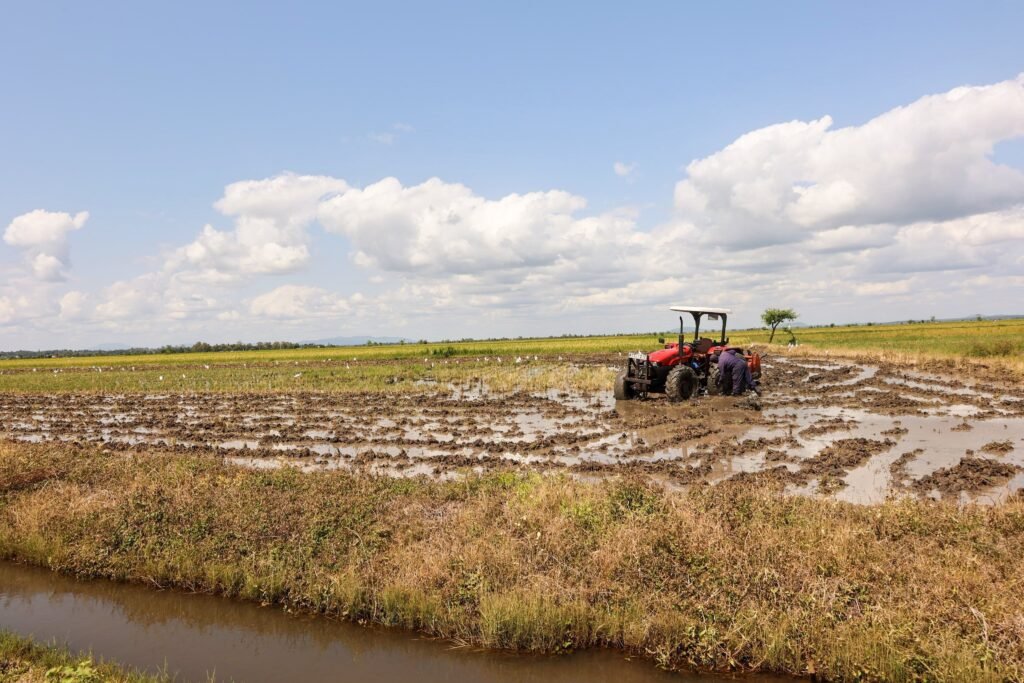
Industry players and analysts say the risk is compounded by the fact that local rice stocks are insufficient to cushion the market. Production in major irrigation schemes such as Mwea has been affected by water shortages, while rain-fed systems have struggled under increasingly unpredictable weather patterns linked to climate change.
The looming supply crunch is unfolding against a backdrop of worsening food insecurity in Kenya’s ASAL counties. Official projections show that the number of people facing acute food insecurity could rise sharply from about 1.8 million to 3.5 million if mitigation measures, including timely imports and social support programmes, stall.
For low-income households, especially in urban informal settlements and drought-prone regions, even modest increases in rice prices could have significant consequences. Rice is often seen as a relatively affordable and easy-to-prepare alternative to maize, wheat products and other staples, making it a critical component of household food baskets.
In response to the growing pressure on supply and prices, the government has moved to allow time-bound, duty-free rice imports, arguing that the measure is necessary to stabilise the market and protect consumers. The decision, however, has been challenged in court, with opponents arguing that such imports could undermine local farmers and distort the market.
The High Court is now considering the case, with a ruling expected on 29 January 2026. The outcome is widely seen as pivotal for the country’s food outlook in the coming months.
Kagwe underscored the stakes involved, saying the court’s decision would have “real consequences for food prices, household budgets, and the constitutional right to food.” He added that delays at this stage risk “turning climate stress into a full-blown hunger crisis.”
Supporters of the import window argue that, given the scale of the projected deficit, imports are unavoidable in the short term. They note that Kenya’s rice self-sufficiency has remained low for years due to structural challenges such as high production costs, limited irrigation infrastructure, and competition from cheaper imports from Asia.
Consumer groups have also voiced concern that without swift intervention, rice prices could rise sharply, adding to the cost-of-living pressures already facing households amid high fuel prices, elevated interest rates and lingering effects of past droughts.
On the other hand, some farmer organisations and millers fear that duty-free imports, if poorly timed or extended beyond the agreed window, could flood the market and depress prices for locally produced rice just as farmers bring their harvests to market. They are calling for clear safeguards, strict timelines and parallel investment in domestic production.
Agricultural economists say the current situation highlights Kenya’s vulnerability to climate shocks and its heavy reliance on food imports. While short-term measures such as duty-free imports can ease immediate pressure, they warn that longer-term solutions are needed to boost resilience, including expanded irrigation, improved seed varieties, better water management and stronger support for smallholder farmers.
As the country awaits the High Court ruling, traders, consumers and policymakers are bracing for a period of uncertainty. With drought conditions persisting in parts of the country and global food markets also exposed to climate-related disruptions, the margin for error is narrowing.
For millions of Kenyans, the decision could determine whether rice remains within reach—or becomes another symbol of a deepening food and cost-of-living crisis.