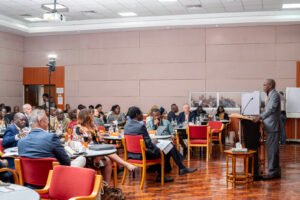
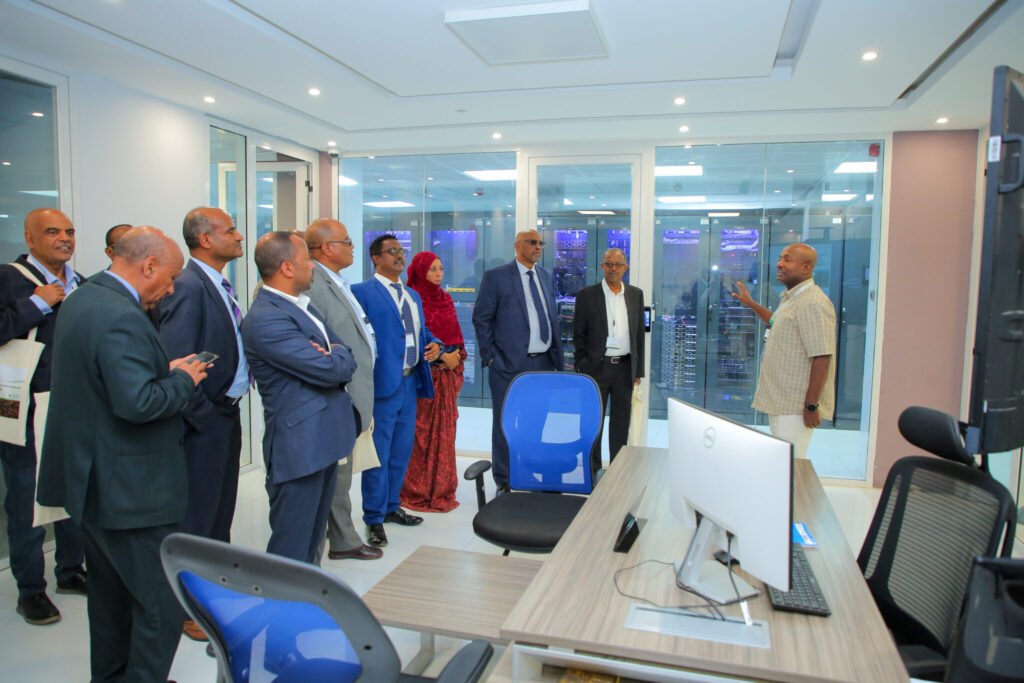
By Zablon Oyugi, April 02, 2026, Ethiopia has launched its Fertilizer and Soil Health Roadmap, a move towards restoring degraded soils and strengthening national food security through a coordinated, evidence-based approach.
Developed by the Ministry of Agriculture (MoA) in partnership with the International Maize and Wheat Improvement Center (CIMMYT) and other stakeholders, the roadmap outlines a comprehensive strategy to tackle soil degradation, promote balanced nutrient management, and improve fertilizer use efficiency.
According to Ethiopia’s State Minister for Agriculture, Prof. Eyasu Elias, the roadmap is designed to guide targeted investments aimed at boosting agricultural productivity and resilience across the country.
“This roadmap provides a unified national framework to rehabilitate degraded soils, enhance fertilizer management, and support sustainable agricultural growth,” said Elias during the launch while noting the central role of soil health in Ethiopia’s development.
Addressing a critical national challenge
Soil degradation remains one of Ethiopia’s most pressing agricultural constraints as approximately 41% of the country’s cultivated land is affected by soil acidity, alongside widespread issues such as nutrient depletion, land degradation, alkalinity, sodicity, and declining organic matter.
These challenges are exacerbated by climate change, unsustainable land management practices, and low adoption of improved soil technologies.
The economic toll is substantial as Ethiopia is estimated to lose between $1 billion and $4.3 billion annually in agricultural production and ecosystem services due to soil degradation. In the highlands alone, annual grain losses reach about 1.5 million tonnes, representing roughly 2% to 6.75% of the national agricultural GDP.
According to the state minister, these constraints undermine efforts to increase productivity, ensure food and nutrition security, and build climate-resilient farming systems.
“Collaboration with CIMMYT and other partners will help strengthen institutional capacity and mobilize investments to reverse soil degradation at scale.”
Evidence-based solutions and stronger data systems
The roadmap focuses on five priority areas: policy and regulatory reform; finance and investment; input supply and trade; research and innovation; and soil information systems and institutional capacity building.
A key component is the strengthening of Ethiopia’s National Soil Information System (NSIS), which will support evidence-based decision-making and targeted interventions.
In this, CIMMYT has contributed technical expertise by generating recommendations for managing acid soils and developing decision-support tools integrated into the NSIS platform.
These tools enable site-specific nutrient management, improve fertilizer efficiency, and support more sustainable soil health practices nationwide.
“The partnership aims to unlock the full potential of Ethiopia’s soils as a foundation for sustainable food systems and national development,” said Tesfaye Shiferaw, a CIMMYT scientist and systems agronomist.
He added that improving soil health and fertilizer use is essential for enhancing food security and building climate resilience.
Aligning with continental goals
The initiative aligns with Ethiopia’s national development priorities as well as continental frameworks, including the African Union’s Africa Fertilizer and Soil Health Action Plan.
This plan was endorsed by AU member states during a 2024 meeting in Nairobi and reinforced through the Nairobi Declaration on Fertilizer and Soil Health.
“The roadmap reflects Ethiopia’s commitment to restoring soil productivity and advancing broader development goals. He stressed that healthy soils are not only vital for agriculture but also for national development,” said Lire Abiyo, Soil Health Lead Executive Officer at the MoA.
With the roadmap officially launched, the Ethiopian government and its partners are now moving into the implementation phase, focusing on coordinated action to accelerate soil restoration, improve fertilizer use efficiency, and unlock the country’s agricultural potential.