End the plague of conflicts, instability
threatening food security in Africa
One of the most refreshing stories out of Africa in 2025 was the signing of a peace agreement between the governments of the Democratic Republic of
Congo (DRC) and Rwanda aimed at ending the long-running conflict in eastern DRC.
The US-brokered peace deal, known as the ‘Washington Accords’ in diplomatic circles, was signed by presidents Felix Tshisekedi of DRC and Paul Kagame of Rwanda during a summit hosted by US president Donald Trump in Washington on December 4.
We hope that all parties to the conflict honour the terms of the pact to ensure the return of peace in the region in 2026. In our April-June 2025 edition, we called the continent’s attention to the threats to food systems and food security posed by violence and political stability. Conflict in Africa causes food insecurity because it disrupts agricultural production, displaces farmers from their land, destroys infrastructure like irrigation systems, hinders access to markets, drives up food prices, and diverts resources away from development towards military efforts, ultimately leaving people unable to access sufficient food supplies.
Organisations like the World Food Programme (WFP) have warned
that the plague of conflict is exposing millions of people to the danger of starvation. All the 13 African countries identified as hunger hotspots in 2024 by the WFP, for example, were involved in armed conflicts or experienced political violence.
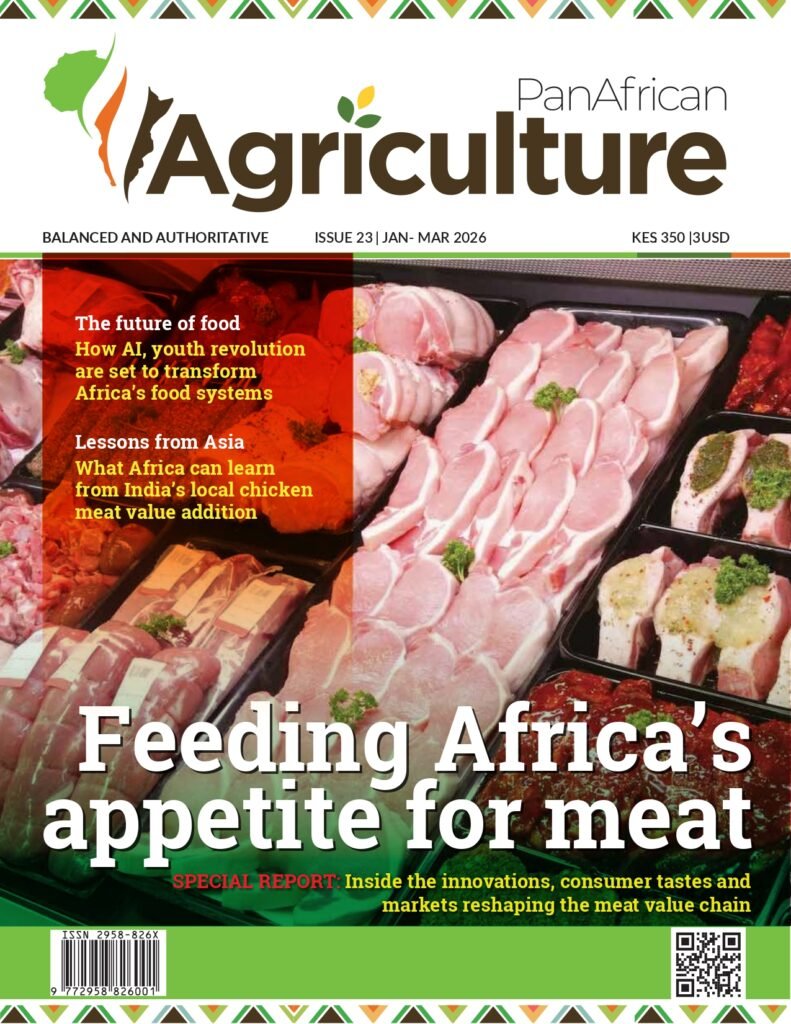
Of the four countries listed as of highest concern in terms of famine, three were African: Mali, South Sudan and Sudan. On the eastern end of the Sahel, conflict continued in the Horn of Africa, driving hunger in Ethiopia in particular. As part of our commitment to facilitating the conversation on conflicts and food security in Africa, this New Year edition of PanAfrican Agriculture carries a special report on the meat value chain, which has perhaps borne the biggest brunt of insecurity in different parts of the continent.
From Cameroon, for example, we bring you the story of how incursions by the Islamist group Boko Haram in the northern region have led to a decline in the country’s beef production. Read this, plus the innovations, shifting consumer preferences and markets reshaping the continent’s meat value chain.
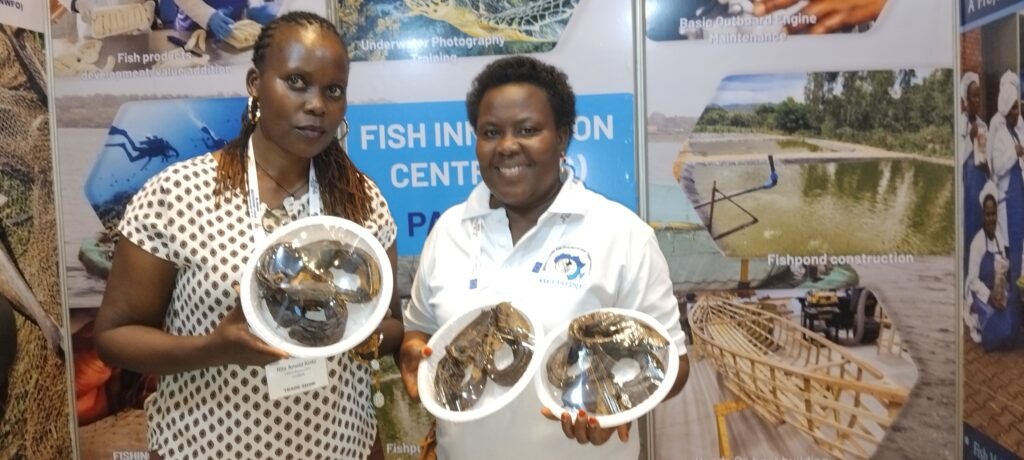
Members of the Uganda National Women’s Fish Organisation (UNWFO) display smoked and packaged silverfish ready for sale during a past forum in Kampala. PHOTO…
Prof Maina Wagacha, an Associate Professor of Plant Pathology at the University of Nairobi.Hidden poisons on our plates: the mycotoxin threat in meatBy Murimi…
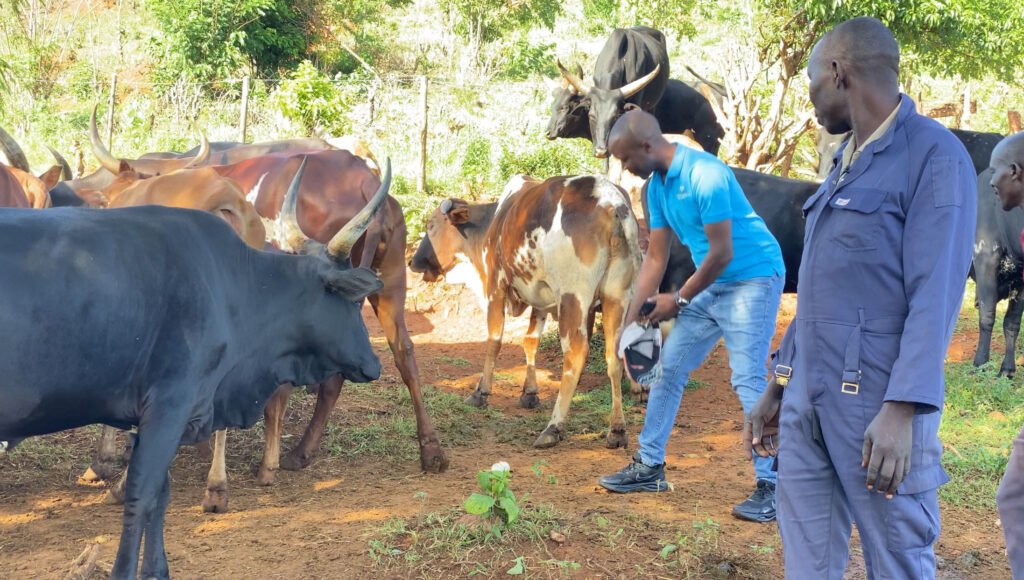
Livestock reared for meat.. PHOTO CREDIT: BUSANI BAFANAWhy Africa needs standardised meat quality and safety systemsBy Busani Bafana Download PDFOn a dusty side road…
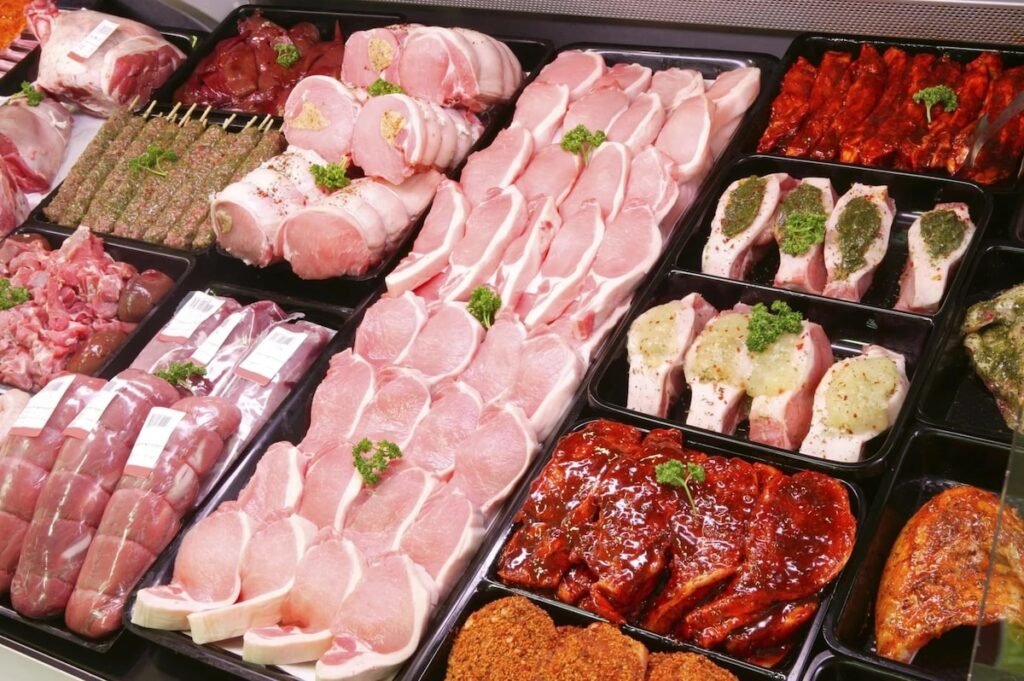
Fresh cuts of meat varieties in a supermarket. PHOTO CREDIT: PANAGRIMEDIA.Supermarkets, butcheries fight for Kenya’s shifting consumer tastesBy Murimi Gitari Download PDFFor many urban…
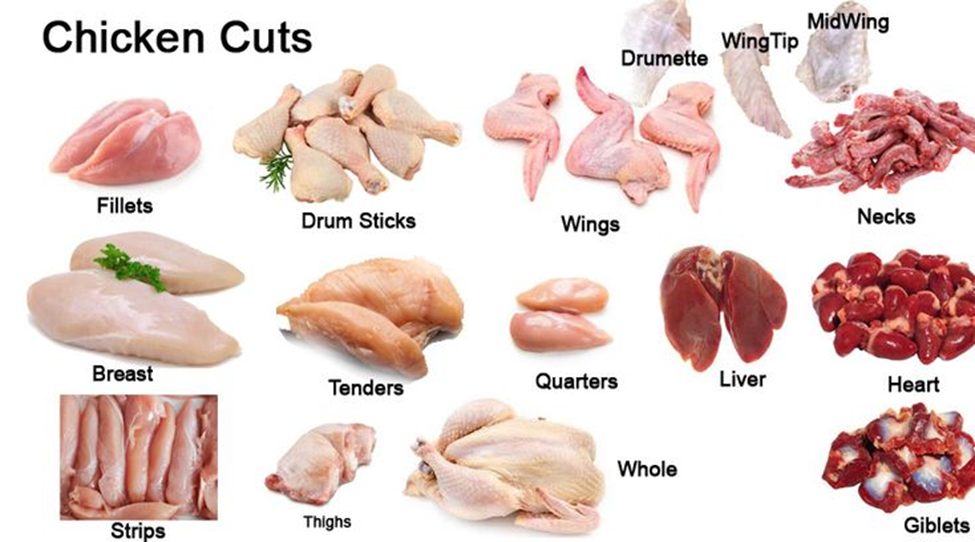
Local chicken meat cutsLocal chicken meat value addition: Lessons from Asia for AfricaBy Dr Christian Tiambo Kennedy Vijayalakshmy Jaydip Rokade Blaise Amaud Hako Ram…
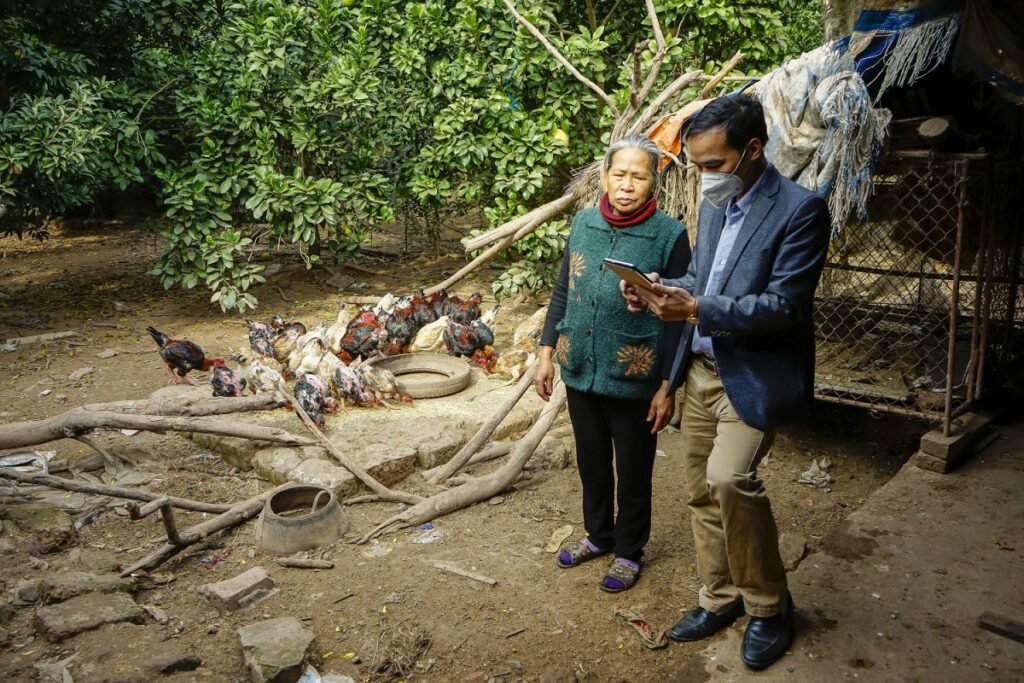
Project staff interview a farmer during baseline survey in Ha Nam Province, Vietnam. PHOTO CREDIT: NIAS/TRAN TRUNG THONGOut of Africa: Groundbreaking chicken biobanking technology…
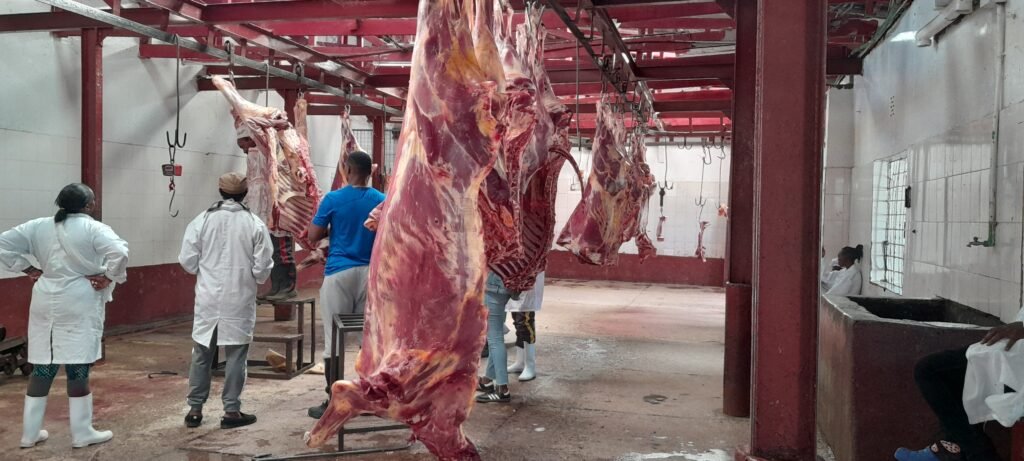
The meat market in Ndunyu, Dagoretti in Nairobi. PHOTO CREDIT: MURIMI GITARIInside Dagoretti, the beating heart of Kenya’s meat economyBy Murimi Gitari Download PDFNdunyu…
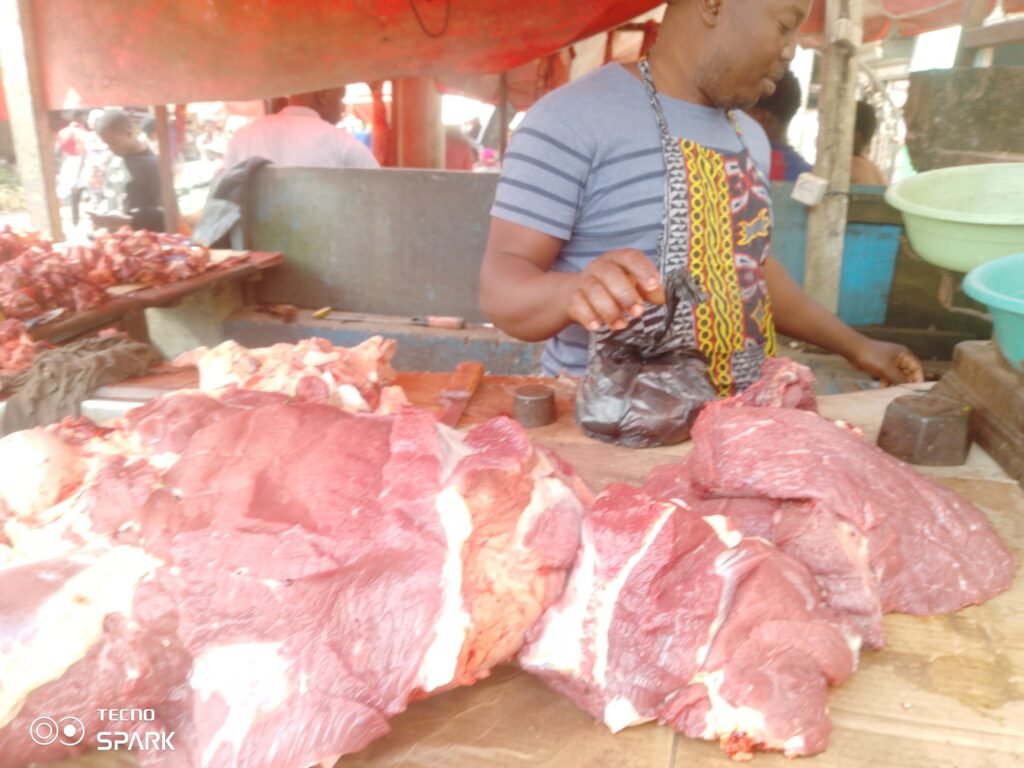
Beef on sale at Mendong Market in Yaounde. PHOTO CREDIT: ELIAS NGALAMEBoko Haram attacks in Cameroon’s cattle belt trigger decline in beef productionBy Ngalame…
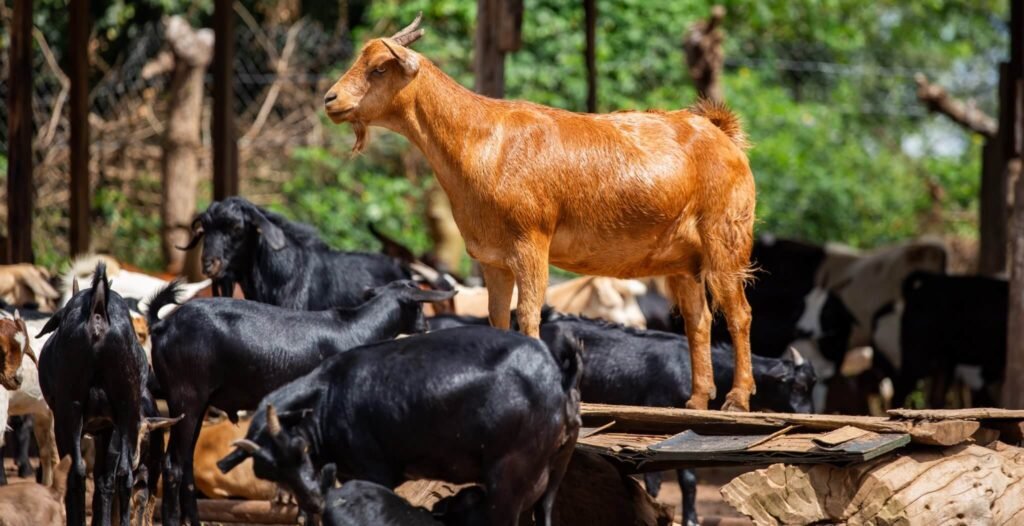
Well performing goats that are capable of producing twice a year. PHOTO CREDIT: ASARECABecA-ILRI project boosts productivity for goat farmersBy Ngalame Elias Download PDFLike…
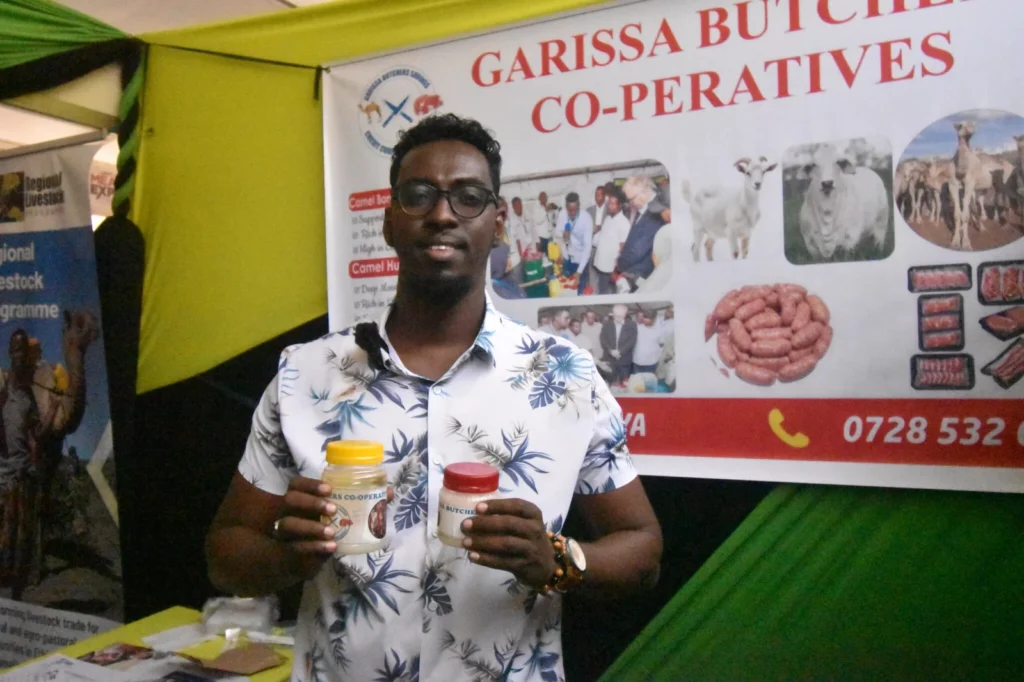
Abdi Aden, the vice-chairperson of Garissa Butchers Co-operative, displaying some of their products during last year’s Kenya Meat Expo at KICC, Nairobi. PHOTO BY…
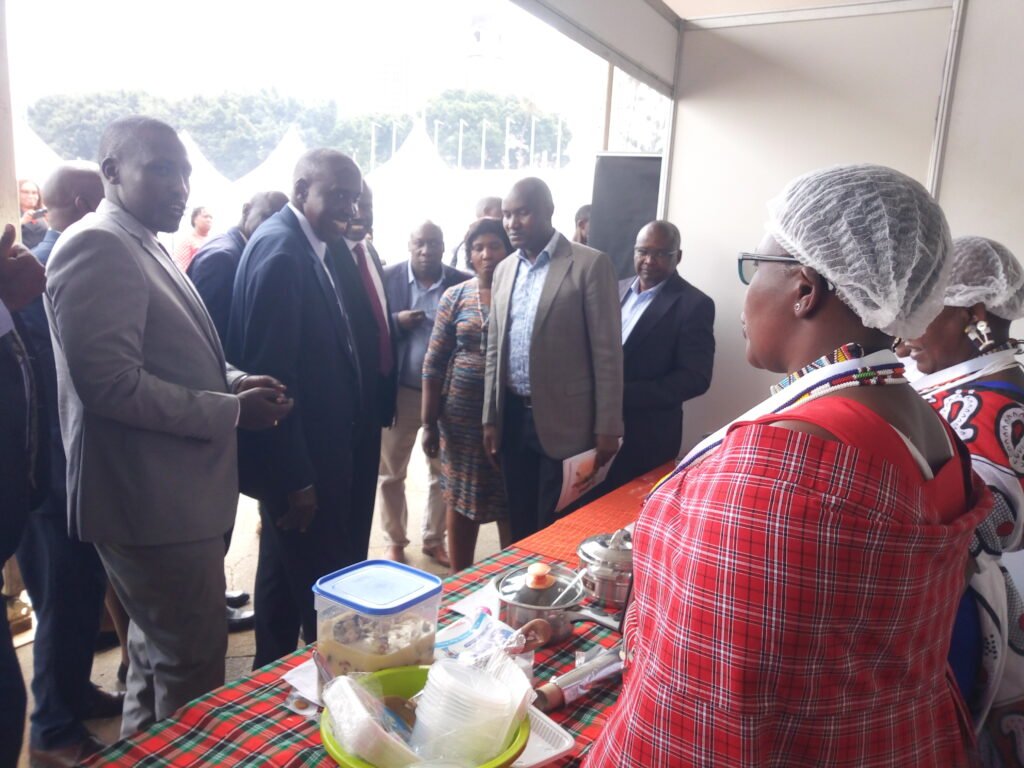
Kajiado County Governor Joseph Ole Lenku (centre) is conducted on a tour of Enkiitok-Nadupa Women Marketing Co-operative Society’s exhibition booth during last year's Kenya…
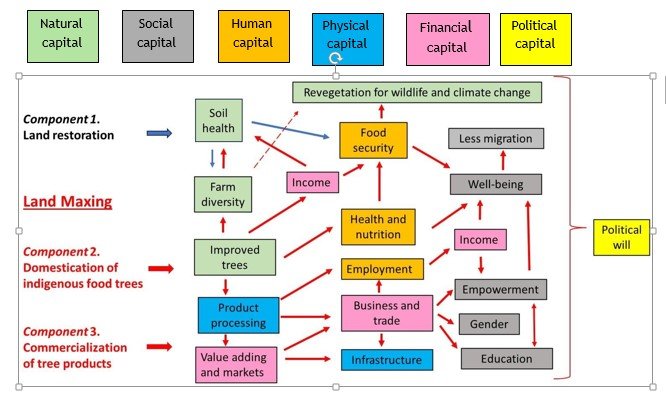
Figure 1. Land Maxing: a multifunctional approach to agriculture that builds the essential capitals for sustainable development (Source: Leakey and Harding, 2025)Regenerating farming landscapes,…
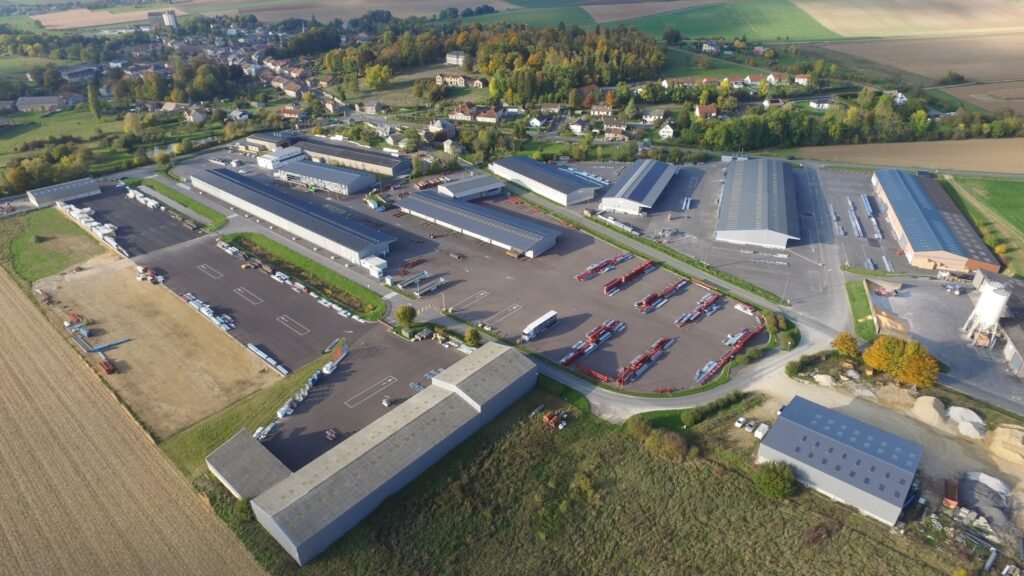
Infrastructure built using SCREB’s metal kit buildings. PHOTO CREDIT: SCREBSCREB: the “IKEA” of Agricultural BarnsBy SCREB Team Download PDFFrench ingenuity serving the rural world…
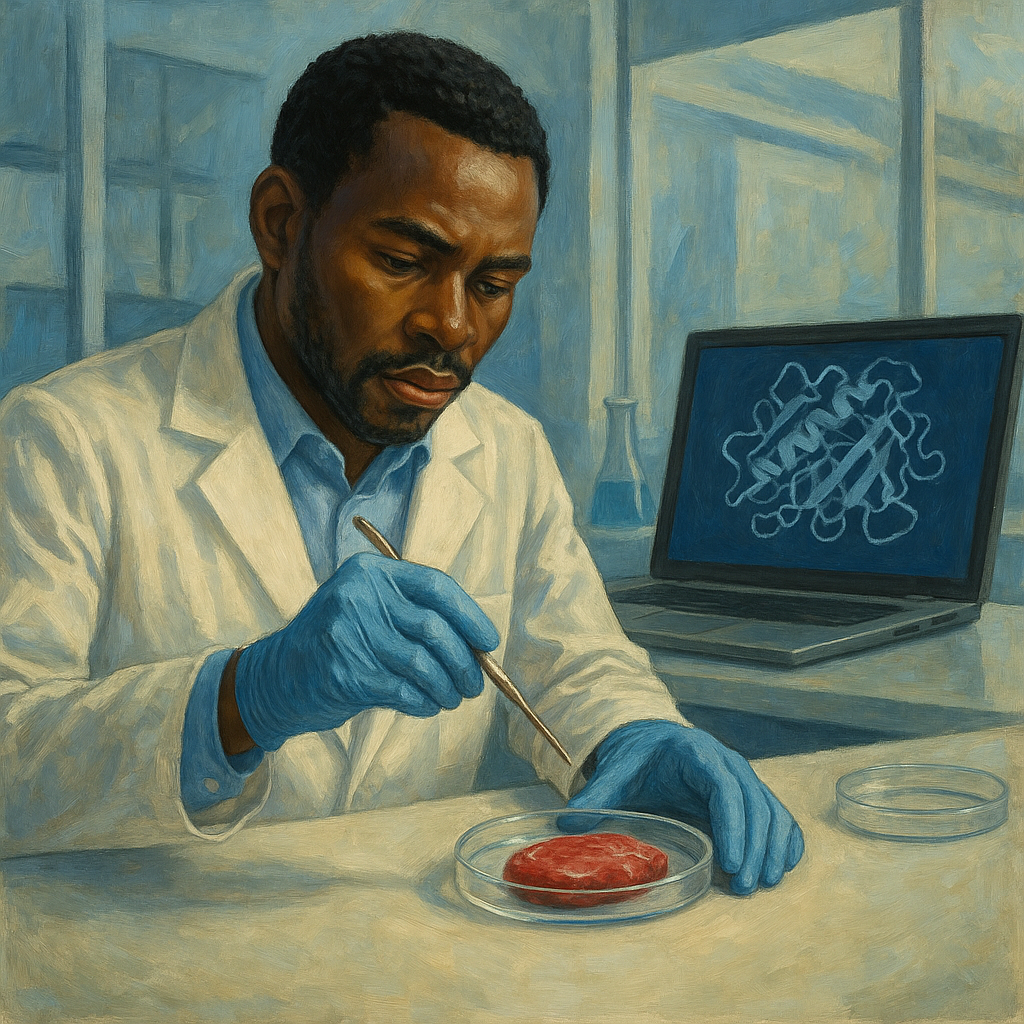
AI generated imageThe future of meat as a circular bioresourceBy Prof Arun Tiwari Download PDFHuman beings have eaten meat for thousands of years, but…